Biogra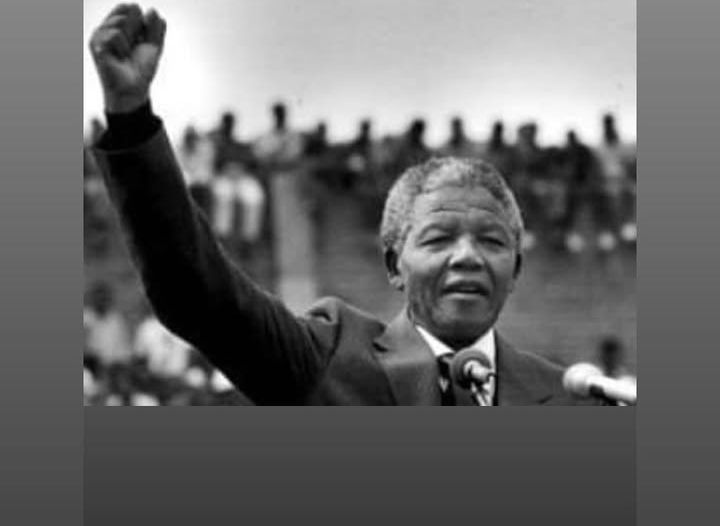 phy of Nelson Mandela
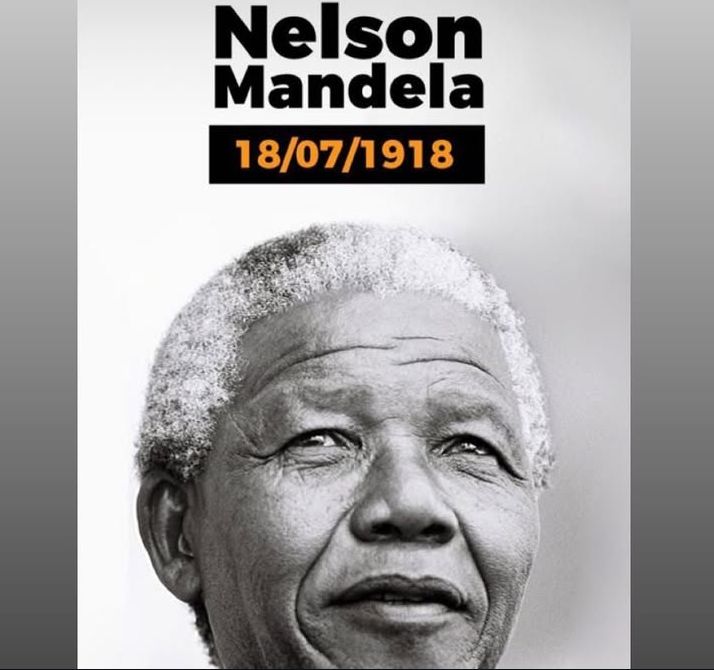
Nelson Rolihlahla Mandela was born on July 18, 1918, in the small village of Mvezo in the Eastern Cape of South Africa. He was born into the Thembu royal family, and his father, Gadla Henry Mphakanyiswa, was a local chief and counselor to the king. Mandela’s given name, Rolihlahla, means “pulling the branch of a tree” in Xhosa, often interpreted as “troublemaker.” At school, a teacher gave him the English name “Nelson,” a common practice during colonial times.
Mandela grew up learning African traditions, leadership values, and the importance of community. He later attended Fort Hare University and the University of Witwatersrand, where he studied law. During his student years, he became increasingly aware of the racial injustice and discrimination faced by Black South Africans under white minority rule.
In the 1940s, Mandela joined the African National Congress (ANC), a political organization fighting against apartheid—a system of institutionalized racial segregation in South Africa. He became a founding member of the ANC Youth League, advocating for mass resistance and stronger action against oppression. Mandela later helped establish South Africa’s first Black law firm, providing legal help to those who could not defend themselves under apartheid laws.
As peaceful protests were met with violent repression by the government, Mandela and other ANC leaders concluded that armed resistance was necessary. He became a leader of the ANC’s armed wing, Umkhonto we Sizwe (“Spear of the Nation”). In 1962, Mandela was arrested, and in 1964 he was sentenced to life imprisonment during the famous Rivonia Trial, where he delivered his powerful speech declaring his willingness to die for a free and democratic society.
Mandela spent 27 years in prison, most of them on Robben Island. Despite harsh conditions, he remained a symbol of resistance and hope, both in South Africa and around the world. His strength, discipline, and commitment to reconciliation earned him deep respect, even from some of his captors.
In 1990, amid growing internal resistance and international pressure, President F.W. de Klerk ordered Mandela’s release. Mandela immediately worked to end apartheid through dialogue rather than revenge. In 1994, South Africa held its first multiracial democratic elections, and Nelson Mandela became the country’s first Black president.
As president (1994–1999), Mandela focused on national unity, reconciliation, and rebuilding a deeply divided nation. He established the Truth and Reconciliation Commission to address past human rights abuses and promote healing rather than punishment.
Nelson Mandela passed away on December 5, 2013, at the age of 95. He is remembered worldwide as a symbol of freedom, forgiveness, courage, and justice. His life remains a powerful reminder that long oppression can be overcome through resilience, humility, and the belief in shared humanity.
Get real time update about this post category directly on your device, subscribe now.